Do Eco-Friendly Laundry Detergents Actually Work? 7 Ways To Get Better Results
Just a heads up, this post contains some affiliate links. That means that we earn a small commission if you buy the product at no extra cost to you. That allows us to continue to research and share interesting articles with you. :)
Laundry is one of those jobs that never really ends, isn’t it?
You finally get through the washing basket, feel smug for approximately four minutes, and then somebody discovers another hoodie, towel, or mystery pile of socks hidden somewhere in the house. Classic.
Over the last few years, more people have started switching to eco-friendly laundry detergents as part of a lower-waste, lower-tox lifestyle — especially here in the UK, where refill shops and greener household swaps are becoming far more common. But let’s be honest for a second… a lot of people try them once, end up with crunchy towels or vaguely damp-smelling T-shirts, and quietly creep back to the neon blue supermarket stuff.
So, do eco-friendly laundry detergents actually work?
Honestly? Yes. They absolutely can. But there’s a bit of a learning curve.
Many green detergents work differently to traditional brands. They often contain fewer harsh chemicals, fewer synthetic fragrances, and less of the optical brighteners that make clothes look cleaner without necessarily being cleaner.
The good news is that once you understand how to get the best out of eco-friendly laundry products, they can work brilliantly — even in a busy, muddy, chaotic normal household like ours. And no, you do not need a Pinterest-perfect utility room with matching jars and a £700 washing machine to make it happen.

What Makes A Laundry Detergent “Eco-Friendly”?
There’s no single definition of an eco-friendly detergent, but generally speaking, greener laundry products tend to focus on:
- biodegradable ingredients
- plant-based surfactants
- fewer synthetic fragrances
- phosphate-free formulas
- cruelty-free production
- recyclable or refillable packaging
Many eco laundry brands are also trying to reduce the environmental impact of manufacturing and shipping by using refill systems, concentrated formulas, or plastic-free packaging.
Traditional detergents often contain phosphates, petroleum-derived ingredients, synthetic dyes, and optical brighteners. While they’re very effective cleaners, some of these ingredients can build up in waterways and potentially harm aquatic ecosystems.
That doesn’t mean you need to panic about every bottle of detergent under your sink. This isn’t about perfection. It’s simply about making better choices where we reasonably can. If you’re trying eco-friendly laundry detergents for the first time, brands like Ecover, Bio-D, Fill, and Miniml are good places to start. My top favourite right now are Ocean Saver who do both laundry pods and my new favourite which is laundry sheets!
Do Eco-Friendly Laundry Detergents Clean As Well As Traditional Brands?
In my experience, yes — but they often work best when paired with a few old-school laundry habits.
A lot of us grew up during the era of “throw everything in on a quick wash and hope for the best.” Modern eco detergents sometimes need a slightly different approach, especially in hard water areas or heavily soiled households.
Things like:
- overloading the machine
- washing too cold
- using too much detergent
- or never cleaning the washing machine itself
…can all make eco detergents seem worse than they really are.
Most of the time, the issue isn’t actually the detergent.
It’s the system around it.
Which, honestly, feels very on-brand for homesteading and self-sufficiency in general
Why Eco-Friendly Laundry Detergents Sometimes Leave Clothes Smelly

This is probably the number one complaint people have when switching to greener laundry products.
If your clothes smell musty, sweaty, or “not quite fresh” after washing, there are usually a few culprits:
- synthetic sports fabrics trapping bacteria
- detergent build-up in the machine
- overloaded drums
- very short wash cycles
- hard water
- using too much detergent
- leaving washing sitting damp too long
Eco detergents usually don’t contain the super-heavy synthetic perfumes that conventional detergents use to mask smells.
So instead of covering odours up, they rely more on actually removing them.
Which is great… unless your machine itself smells like a forgotten pond creature.
If that’s the case, running a hot maintenance wash with white vinegar or washing soda can make a massive difference.
7 Ways To Make Eco-Friendly Laundry Detergent Work Better
1. Spot Clean Stains Before Washing
One of the easiest ways to improve your laundry results is to stop expecting the washing machine to perform miracles.
Eco detergents work brilliantly on everyday dirt and smells, but stubborn stains still benefit from a bit of hands-on help first.
A simple laundry soap bar or stain stick works wonders for:
- food stains
- muddy knees
- grease
- underarm marks
- pet mess
- mysterious “what even IS that?” child stains
Just dampen the fabric slightly, rub the soap directly onto the stain, and gently work it in before washing.
A good old-fashioned laundry soap bar can last absolutely ages too, making it surprisingly budget friendly.
2. White Vinegar Is Weirdly Brilliant
Honestly, vinegar feels like one of those ingredients our grandparents quietly knew all along.
White vinegar can help:
- soften laundry naturally
- reduce odours
- cut through detergent build-up
- freshen towels
- reduce musty smells
You can spray diluted vinegar directly onto smelly areas before washing, especially things like gym wear or synthetic fabrics.
Or simply add a small amount to the fabric softener drawer.
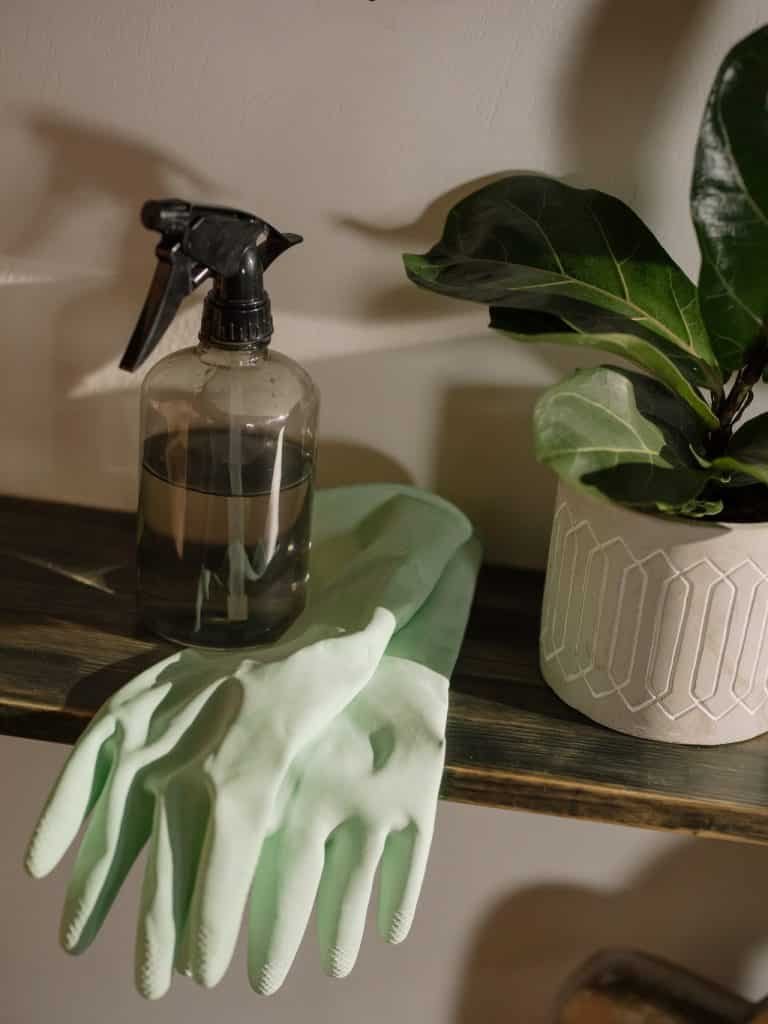
No, your clothes won’t smell like a chip shop afterwards! The vinegar smell disappears once dry. A reusable amber spray bottle works brilliantly for this if you want to make up a simple vinegar pre-treatment spray.
3. Use Baking Soda For Heavily Soiled Loads
Bicarbonate of soda is basically the duct tape of eco cleaning.
It’s cheap, easy to find, and genuinely useful for boosting laundry performance naturally.
Adding a small scoop of bicarbonate of soda to your wash can help:
- neutralise odours
- soften water
- brighten whites
- lift grime
- improve detergent performance
It’s especially useful for:
- dog blankets
- gardening clothes
- sports kits
- towels
- sweaty summer washing
We use it constantly in our house because, frankly, muddy gardening clothes and collie fur are a full-time lifestyle at this point!
4. Use Longer Wash Cycles Sometimes
Quick washes are brilliant for lightly worn clothes.
But if your washing machine is trying to clean:
- muddy allotment trousers
- towels
- bedding
- pet blankets
- children’s football kits
- or anything that smells vaguely biological
…then a 15-minute eco wash probably isn’t going to cut it.
A slightly longer cycle at 30–40°C often gives eco detergents enough time to properly break down dirt and odour. Modern detergents are designed to work well at lower temperatures, so you usually don’t need boiling hot washes. But time matters just as much as temperature.
5. Put The Detergent Directly Into The Drum
This one surprises people. Sometimes detergent drawers don’t fully flush properly, especially in older machines. Putting detergent directly into the drum using a dosing cup or laundry ball can help distribute it more evenly through the wash.
This tends to work particularly well with:
- concentrated liquids
- eco laundry gels
- refill detergents
Plus it usually means less detergent waste overall. Which your wallet will also appreciate. This is one of the easiest ways to improve the performance of eco-friendly laundry detergent without changing your whole routine.
6. Hard Water Changes EVERYTHING
If you live in a hard water area, eco detergents can sometimes struggle more.
Hard water contains lots of dissolved minerals, which can:
- reduce cleaning effectiveness
- leave fabrics feeling stiff
- cause residue build-up
- make whites look duller
Many people assume eco-friendly laundry detergents are weaker, when often it’s actually a hard water or wash-cycle issue. This is one reason why some people think eco detergents “don’t work.”
Adding a small amount of:
- bicarbonate of soda
- washing soda
- or a natural water softener
…can massively improve results.
Long-term, a proper water softener may also help if hard water is a major issue in your home. Especially if your kettle looks like an archaeological dig site every few weeks.
7. Don’t Use Too Much Detergent
This sounds backwards, but using too much detergent is incredibly common.
Excess detergent can:
- trap smells in fabric
- leave residue behind
- make towels feel stiff
- clog washing machines
- reduce cleaning performance
Eco detergents are often highly concentrated, so you usually need far less than you think. Especially in soft water areas.
More detergent does not automatically equal cleaner washing. Sometimes it just equals expensive soup.
Final Thoughts: Eco Laundry Doesn’t Need To Be Perfect
One of the biggest lessons we’ve learned on this whole “good life” journey is that sustainability isn’t about perfection.
It’s about building better systems over time.
Maybe that starts with:
- switching to refill detergent
- using less plastic
- washing colder
- air drying clothes outside
- or simply making one bottle of detergent last longer
Those small changes add up. And honestly? A lot of old-fashioned laundry wisdom still works beautifully today.
Sometimes the greener option really is just:
- simpler,
- slower,
- and a bit more intentional.
Not perfect. Just better.
Eco-Friendly Laundry Detergents FAQ
Are eco-friendly laundry detergents better for sensitive skin?
Many eco-friendly laundry detergents avoid synthetic fragrances and harsh dyes, which can make them gentler for sensitive skin.
Why do eco-friendly laundry detergents sometimes struggle in hard water?
Hard water minerals can reduce the effectiveness of eco-friendly laundry detergents, especially concentrated formulas.
Can eco-friendly laundry detergent clean muddy clothes?
Yes — eco-friendly laundry detergent can clean heavily soiled clothes, but longer wash cycles and stain pre-treatment often help.
Back To The Good Life is a participant in the Amazon Services LLC Associates Program, an affiliate advertising program designed to provide a means for sites to earn advertising fees by advertising and linking to Amazon.com. We also participate in other affiliate programs which compensate us for referring traffic.