Why Food Preservation Matters More Than Ever for Ordinary UK Families
Just a heads up, this post contains some affiliate links. That means that we earn a small commission if you buy the product at no extra cost to you. That allows us to continue to research and share interesting articles with you. :)
There was a time when I thought food preservation belonged to people with farmhouse kitchens and acres of land.
The reality was very different.
Most of my preserving started in a normal UK house with a tiny kitchen and an ADHD brain. It wasn’t about becoming perfectly self-sufficient overnight. It was about making life feel slightly less fragile. For us, preserving food was never really about preparing for disaster. It was about building resilience. It was about reducing waste. It was about helping Future Us survive difficult weeks.
And honestly?
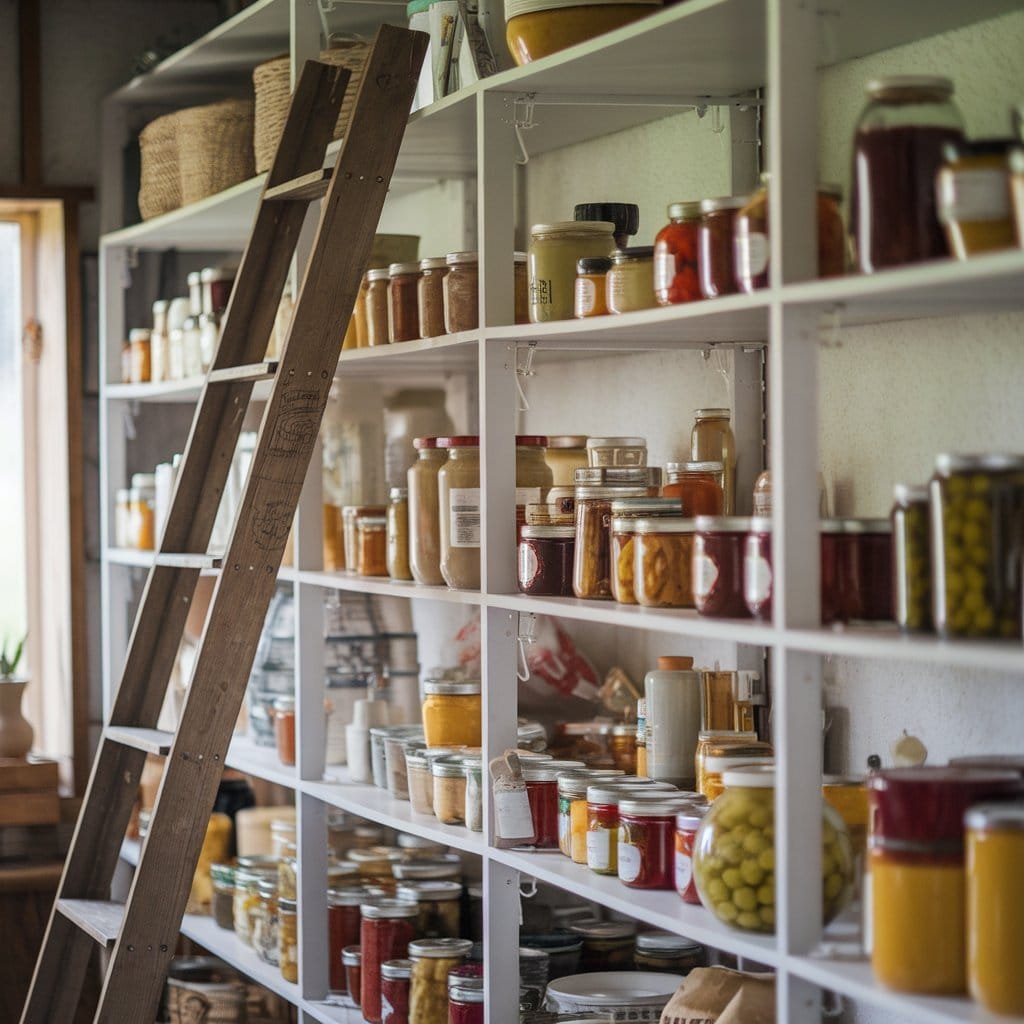
It became one of the most comforting parts of our journey towards self-sufficiency. Because food preservation isn’t really about jars. It’s about creating systems that support your future self. It’s about having freezer meals ready after a terrible week. It’s about turning reduced vegetables into soups and sauces instead of food waste. It’s about learning that even in a normal-sized UK home, you can still build a resilient pantry.
And in a world of rising food prices and constant uncertainty, those small systems matter.
What Does Food Security Actually Mean?
Food security means different things to different people. For some, it means emergency food storage. For others, it means learning traditional skills and relying less on supermarkets. For us, it means creating a home that feels calmer and more capable.
A home where:
- there’s usually a meal available on difficult days
- garden gluts don’t go to waste
- we preserve seasonal food when prices are low
- we rely less on convenience food
- we slowly build useful life skills
That’s the version of food security I think most ordinary people are actually looking for. Not fear. Not panic buying. Just practical resilience.
Why Food Preservation Is Such an Important Skill
Learning to preserve food changes how you think about your kitchen.
Instead of food constantly racing towards its expiry date, you begin seeing opportunities everywhere. A tray of mushrooms on yellow sticker becomes future soup. Too many tomatoes ripening at once become sauce, passata, or dehydrated slices for later. Herbs going floppy in the fridge can be dried instead of being wasted. Bananas turning brown become banana bread for the freezer.
Once you start preserving food, you stop seeing food as something temporary. You start seeing ingredients, future meals, and possibilities.
Food preservation helps you:
- reduce food waste
- save money
- buy in bulk when prices are good
- preserve seasonal produce
- make future meals easier
- build confidence in the kitchen
- rely less on convenience food
- create a more resilient household
And despite what social media sometimes suggests, you do not need a farmhouse pantry or expensive equipment. Most people already preserve food without even thinking about it. If you’ve ever frozen leftovers or made jam, you’ve already started.
The Food Preservation Methods We Actually Use
There are countless ways to preserve food, and honestly, it can feel a little overwhelming when you first start researching it all. Social media can make it seem as though every homesteader owns a freeze dryer, pressure canner, root cellar, and an entire wall of perfectly labelled jars.
Most of us do not live like that.
These are simply the preservation methods we use most often in our small-space UK home because they realistically fit our lifestyle, budget, storage space, and energy levels. And that’s the important thing. Food preservation is not about doing everything perfectly. It’s about finding systems that genuinely work for your real life and actually make things easier rather than harder.
Freezing: The Gateway Preservation Method
Freezing is probably the food preservation method most people already use, even if they don’t think of it as food preservation. And honestly, it’s one of the most useful systems we’ve ever built. Our freezer is far less about stockpiling and far more about reducing stress and supporting Future Us during difficult weeks.
We batch cook meals when we have energy, freeze leftovers before they go to waste, preserve reduced vegetables, and portion things up so there is always something easy available when life gets chaotic.
Some of our favourite things to freeze include:
- soups
- stews
- curry bases
- chopped onions
- herbs
- bread
- cake slices
- tomato sauce
- fruit for smoothies and baking
Freezing is especially useful if you’re:
- short on time
- overwhelmed easily
- juggling work and family life
- managing chronic illness or burnout
- trying to reduce food waste
You do not need a giant chest freezer to start. Even one freezer drawer used intentionally can make a huge difference.
One thing that has genuinely helped us is using silicone freezer trays for portioning soups, sauces, and leftovers into easy grab-and-go portions. They’re not essential, but they do make freezer organisation much easier if you batch cook regularly.
We absolutely don’t think you need fancy equipment to preserve food, but a few small tools can make life much easier. We personally love silicone freezer trays for portioning soups, sauces, and leftovers into easy grab-and-go portions.
Recommended Products:
- Souper Cubes 1 Cup Silicone Freezer Molds
- cheaper silicone freezer trays
- reusable freezer bags
- glass storage containers
Dehydrating: One of the Best Small-Space Skills
Dehydrating is probably the food preservation method we are most passionate about because it works so brilliantly in small homes. Dehydrated food takes up far less room than frozen or canned food, which makes a huge difference when you are working with limited kitchen or freezer space.
Even a fairly cheap dehydrator can preserve surprising amounts of produce, turning gluts, reduced vegetables, herbs, and fruit into shelf-stable ingredients that are easy to store and genuinely useful in everyday cooking.
We regularly dehydrate:
- garlic
- herbs
- onions
- fruit
- mushrooms
- chillies
- soup vegetables
- fruit leather
Homemade garlic powder was one of the first food preservation projects that made this lifestyle feel genuinely achievable for us. Instead of buying tiny supermarket jars, we started turning spare garlic into our own seasoning at home. At the time it felt like such a small thing, but that’s often how self-sufficiency begins. Tiny systems, repeated consistently, slowly start changing the way your home functions.
One of the things I love most about dehydrating is how practical it feels in everyday life. Having homemade soup mixes, dried herbs, garlic powder, or dehydrated vegetables ready to grab genuinely saves time, money, and mental energy during busy weeks.
If you want to start preserving food on a budget, dehydrating is honestly one of the best places to begin. You also do not need an expensive dehydrator to get started. We began with a fairly basic budget dehydrator, and it still completely changed the way we preserved herbs, garlic, fruit, and garden gluts.
Product Recommendations:
- VonShef 5 Tier Food Dehydrator
- Kwasyo Stainless Steel Food Dehydrator
- Cooks Professional 6 Tier Food Dehydrator
Preserves, Jams, and Chutneys
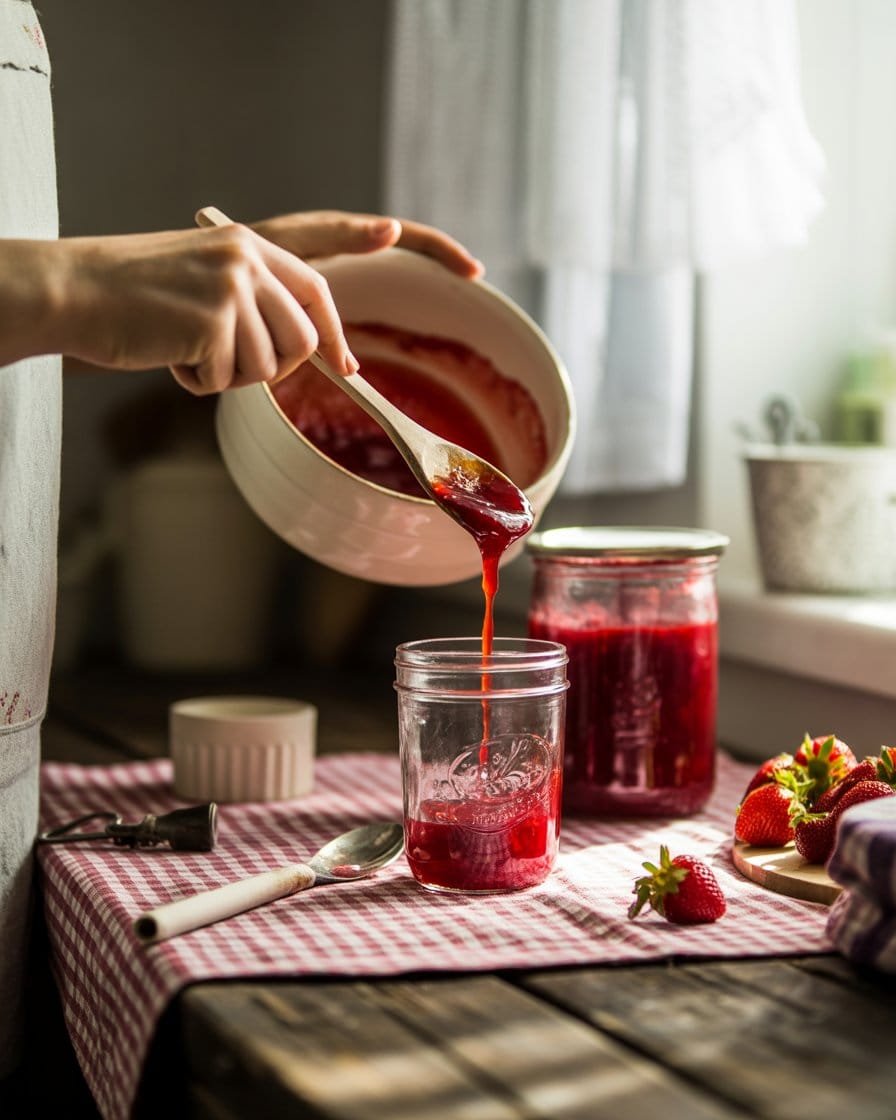
This is the version of food preservation many of us grew up around. Jams bubbling away on the hob, giant jars of pickled onions tucked into cupboards, and homemade chutneys appearing on Christmas tables year after year.
Preserving fruit with sugar or vegetables with vinegar has been part of British kitchens for generations because it’s practical, affordable, and surprisingly satisfying. It’s one of those traditional skills that quietly makes a home feel abundant and seasonal, even during the middle of winter.
Some beginner-friendly preserves include:
- strawberry jam
- blackberry jam
- chutney
- pickled onions
- pickled beetroot
- apple butter
- fruit compotes
This type of preserving is brilliant if you enjoy seasonal cooking. There is something deeply satisfying about seeing jars filled with summer produce in the middle of winter.
We’ve slowly built up our collection of jars over time rather than buying everything at once. Simple Kilner-style jars are usually more than enough for most beginners and tend to last for years if you look after them properly.
Fermentation: Ancient Food Preservation With Modern Benefits
Fermentation sounds intimidating, but it’s surprisingly beginner friendly. It’s also one of the oldest forms of food preservation in the world. Fermented foods contain beneficial bacteria and incredible flavour.
Some common fermented foods include:
- sauerkraut
- kimchi
- yoghurt
- kefir
- ginger beer
- kombucha
Fermentation feels almost magical the first time you do it. You take simple ingredients and time does the rest.
We particularly love fermented drinks and homemade yoghurt. Not because we’re trying to become perfect homesteaders, but because they’re practical, enjoyable, and genuinely satisfying to make.
If you’re curious about fermentation, starter kits can make the process feel far less intimidating when you’re first learning, especially for things like kefir or kombucha.
Canning and Water Bath Preserving
Canning is probably the preservation method most people associate with traditional homesteading. It’s the image many of us picture when we think about pantry shelves lined with beautiful jars of food. In the UK, we’re generally more familiar with water bath preserving for things like jams, chutneys, pickles, and fruit preserves than the pressure canning methods often used in the United States.
While canning can be incredibly useful, it’s also the preservation method where food safety matters most. Unlike freezing or dehydrating, mistakes with canning can potentially become dangerous, so it’s important to use trusted, up-to-date safety guidance and tested recipes.
Personally, I usually encourage beginners to start with simpler preservation methods first, such as:
- freezing
- dehydrating
- simple preserves
- fermentation
Those methods are often cheaper, easier, and far less intimidating when you are first learning.
Then, if preserving becomes a bigger part of your life, you can slowly explore more advanced canning techniques later. There’s absolutely no rush to learn everything at once. Most self-sufficiency skills are built gradually, one small experiment at a time.
You Don’t Need a Perfect Homestead
One of the biggest myths around self-sufficiency is that you need loads of land and endless time.
You really don’t. Most of what we do happens in a normal ex-council UK house. We preserve food in between work, exhaustion, and occasional existential crises over courgettes.
Sometimes preserving looks aesthetic. Sometimes it looks like shoving chopped onions into freezer bags at 10pm. Both count.
The Emotional Side of Food Preservation
This is the part people don’t talk about enough. Food preservation doesn’t just change the way you shop or cook. It changes the way your home feels.
There is something deeply grounding about knowing there’s soup in the freezer, herbs drying in the kitchen, or homemade garlic powder sitting in the cupboard ready to use. Those small things create a surprising sense of calm.
During difficult weeks, preserving food can soften the edges of everyday life. When you are exhausted, overwhelmed, burnt out, unwell, grieving, or simply having a hard time, those systems quietly step in to support you.
A freezer meal made by Past You suddenly becomes an act of care. A jar of homemade chutney becomes a reminder that abundance doesn’t always have to look extravagant. And for people trying to build a gentler, slower, more resilient life in a very chaotic world, that matters. A lot.
How to Start Preserving Food Without Getting Overwhelmed
My biggest advice is to start tiny. Do not try to become a Pinterest-perfect homesteader overnight. One of the quickest ways to burn yourself out is trying to overhaul your entire kitchen, garden, and lifestyle all at once. Instead, pick one simple system and start there.
Maybe that means:
- freezing leftovers properly instead of wasting them
- drying supermarket herbs before they go floppy
- making one jar of jam
- freezing chopped onions for busy evenings
- batch cooking soup for the freezer
- dehydrating garlic
- trying one very simple ferment
That’s enough. Really.
Self-sufficiency is not built through one huge transformation. It’s built through small repeated habits that slowly make life easier, cheaper, calmer, and more resilient over time. Most of the systems we rely on now started as tiny experiments in a very ordinary kitchen, and honestly, that’s still how most of this lifestyle works. You try things, some work brilliantly, some fail spectacularly, and then you adjust and keep going.
Final Thoughts
Food preservation is not about fear. It’s not about building a bunker full of beans or trying to become perfectly self-sufficient overnight.
For us, it’s about creating a life that feels:
- calmer
- more capable
- less wasteful
- more seasonal
- more connected
- more resilient
Food preservation is about learning useful skills and reducing waste where we can. It’s about creating systems that quietly support us during difficult weeks and help everyday life feel slightly more manageable. And most of all, food preservation is about slowly building a home that feels softer, steadier, and slightly less fragile.
One jar, one freezer meal, and one dehydrated tray of garlic at a time.
And honestly, that feels like a pretty good place to start.
Back To The Good Life is a participant in the Amazon Services LLC Associates Program, an affiliate advertising program designed to provide a means for sites to earn advertising fees by advertising and linking to Amazon.com. We also participate in other affiliate programs which compensate us for referring traffic.