Grow a little. Make something. Learn as you go.
Growing
Learn how to grow your own food in a UK back garden, using simple, practical methods that work with limited space, time, and budget.

Growing
Glass is a strong choice for clear views and good light transmission; multiwall polycarbonate is useful where impact resistance and insulation matter. Neither material makes…
Read article →

Growing
A conventional compost bin needs access to air, but it does not necessarily need extra drilled holes. A purpose-made bin may already admit air through…
Read article →

Growing
Companion planting means growing plants together for a useful purpose, such as sharing space, providing shelter or supporting insects that benefit the garden. Some combinations…
Read article →
Growing
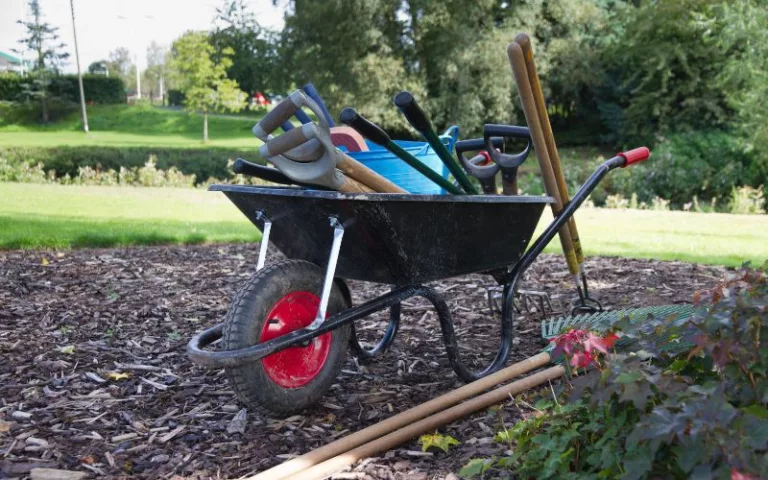
For a small beginner garden, start with a hand trowel, a manageable watering can and suitable cutting tools when your plants need them. Add a…
Read article →

Growing
Composting works by allowing decomposers to break down suitable kitchen and garden waste into a stable soil improver. A useful home heap needs a mixture…
Read article →
Growing
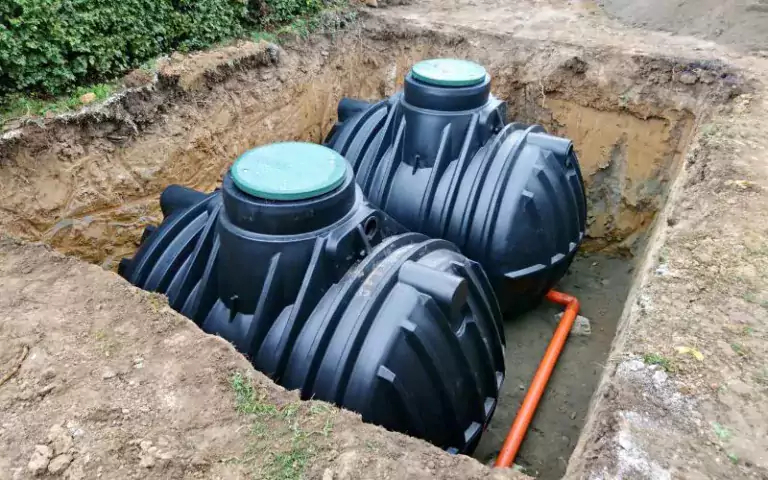
Our garden and allotment thrive on the water we collect and preserve throughout the year. In the face of climate change and increasing water scarcity,…
Read article →

Growing
Established strawberry plants are generally hardy outdoors in the UK. Winter care is mainly about drainage, removing dead or diseased material and protecting exposed containers…
Read article →
Growing
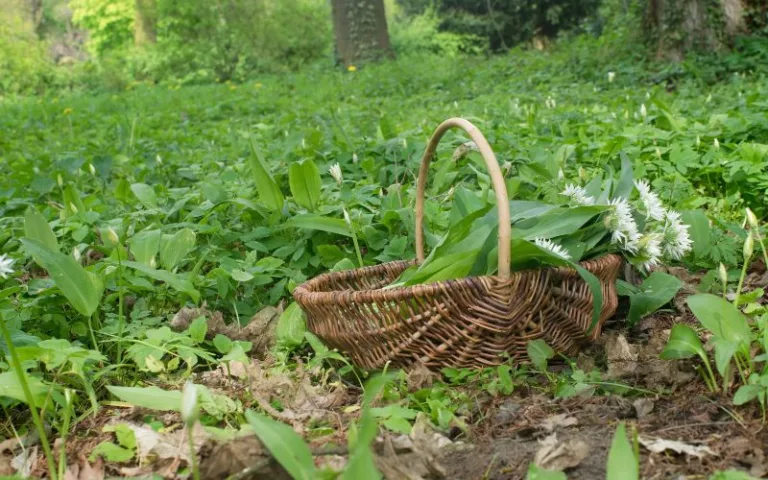
Foragers and gardeners love the flavorful and adaptable nature of wild garlic, also known as ramson or bear's garlic. Wild Garlic Seed: A great addition…
Read article →

Growing
To fill a raised bed over garden soil, use good-quality topsoil enriched with mature compost, and calculate the volume from the bed’s internal length, width…
Read article →
Growing
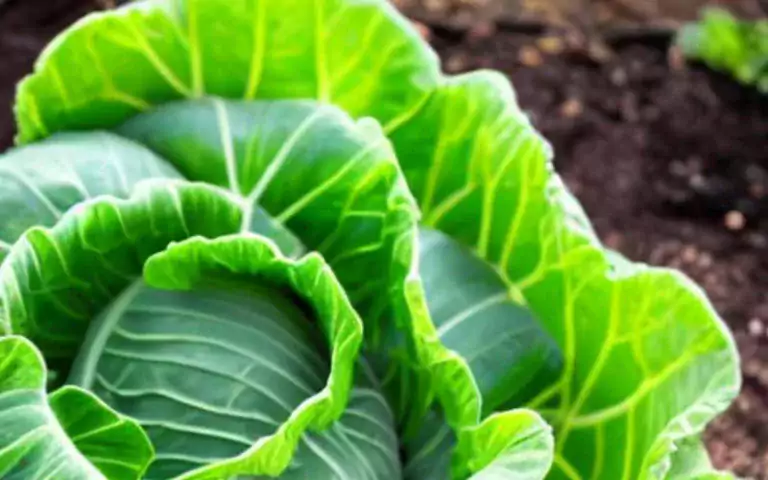
The most useful vegetables for a partly shaded garden include lettuce, spinach, chard and kale, with beetroot and baby carrots worth trying in brighter positions.…
Read article →