Just a heads up, this post contains some affiliate links. That means that we earn a small commission if you buy the product at no extra cost to you. That allows us to continue to research and share interesting articles with you. :)
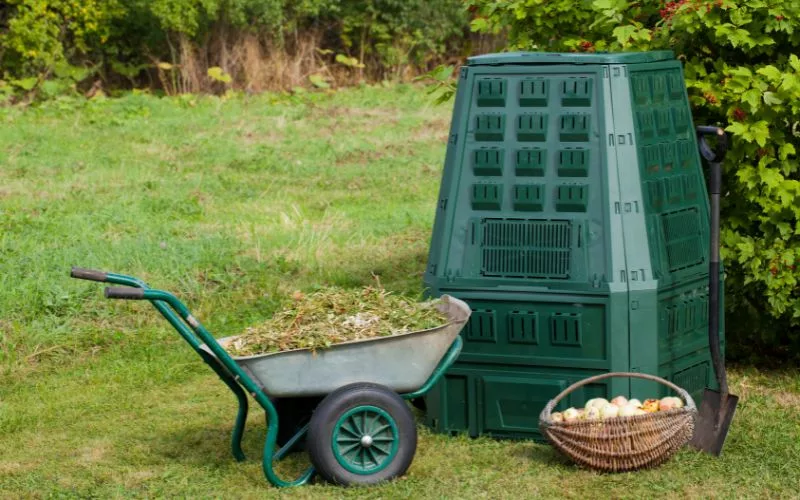
A conventional compost bin needs access to air, but it does not necessarily need extra drilled holes. A purpose-made bin may already admit air through vents, gaps or its base. An airtight container is unsuitable for ordinary aerobic composting.
If you are looking at your bin wondering whether to fetch the drill, check what is happening inside first. A few holes will not rescue a solid mass of wet grass clippings. Often the useful job is to loosen the contents and change what you are adding.
Check which kind of bin you have
| System | What to do about air |
|---|---|
| Purpose-made garden compost bin | Follow its instructions and keep existing openings clear. |
| Wooden compost bay | Gaps between boards help ventilation; avoid packing the material tightly. |
| DIY storage tub | Use a suitable compost-bin design that provides ventilation and drainage. |
| Bokashi bucket | Keep it sealed as instructed. This is a fermentation system, not a conventional compost heap. |
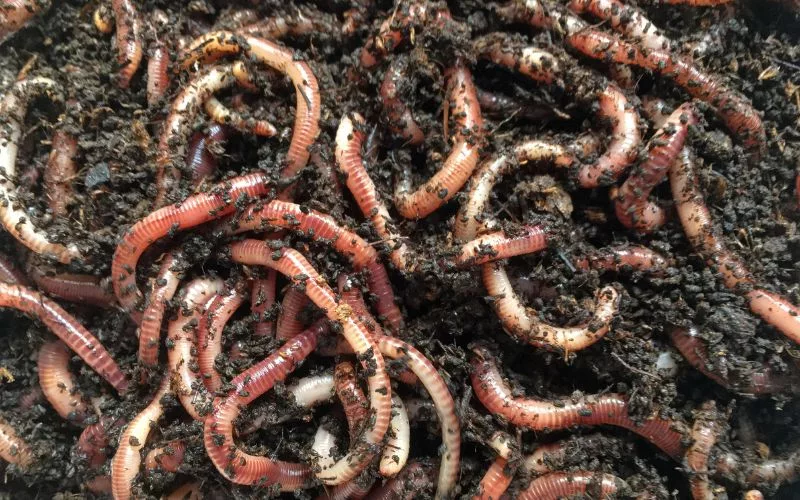
| Wormery | Follow its ventilation and drainage design; do not treat it as a hot compost bin. |
Before modifying a bought bin, look up the model. Extra holes can change drainage or let pests in, and an insulated system may work differently from a basic plastic bin. There is no universal hole count or spacing that suits every container.
Why compost needs oxygen
Aerobic decomposition depends on organisms that use oxygen. Waterlogged or tightly compressed material has fewer air spaces, which can lead to unpleasant smells and slower progress. The EPA’s home-composting guide identifies air, moisture and a balance of ingredients as the essentials.
The useful distinction is between letting air into the container and letting it move through the contents. Both matter. Think of a bag stuffed with wet leaves: opening the top does not automatically loosen the middle.
How to improve airflow without drilling
- Break up dense clumps. Mix fresh grass clippings with other material rather than adding a thick, compressed layer.
- Add structure. Torn plain cardboard, dry leaves and small woody pieces help vary the texture.
- Turn or loosen the contents when practical. Work carefully and check for wildlife before disturbing an established heap.
- Check drainage. Look for standing liquid and blocked outlets rather than assuming the problem is too little ventilation.
Our guide to the composting process explains how these pieces fit together. If kitchen leftovers make up most of your additions, the kitchen scraps guide helps you decide what belongs in the mix.
What is your compost telling you?
| What you notice | What to check first |
|---|---|
| Wet, slimy material or a sour smell | Too much moisture or compacted ingredients. Mix in dry material and improve airflow. |
| Dry, largely unchanged material | Insufficient moisture. Dampen gradually and mix. |
| A cool heap in winter | Season and volume. Cool compost can still decompose slowly. |
| Fresh scraps mixed with crumbly compost | Separate the mature material or allow the batch more time. |
Garden Organic’s composting guidance is useful for troubleshooting. Change one obvious problem, then give the heap time. Buying an accelerator or drilling another twenty holes is not always the next useful step.
Does a compost bin need a lid or an open bottom?
A lid can help manage rainfall and drying, but it should be used with the bin’s intended ventilation. An open base is common in garden bins; other designs work on a hard surface with appropriate drainage. Choose the setup for your location and follow the manufacturer’s guidance.
A kitchen caddy is simply temporary storage before scraps reach the composting system. Its lid design does not tell you how the outdoor compost bin should work.
Your next useful job
Check the bin’s instructions, then look at the texture and moisture of the contents. If it is packed and soggy, address that first. Keep the drill for a DIY design that actually calls for it.
For seasonal growing ideas and manageable ways to build a more self-reliant home, join The Wealth Pantry, our free fortnightly newsletter.
Reviewed and updated October 2026. By Niki Wilkinson, Back To The Good Life.
Back To The Good Life is a participant in the Amazon Services LLC Associates Program, an affiliate advertising program designed to provide a means for sites to earn advertising fees by advertising and linking to Amazon.com. We also participate in other affiliate programs which compensate us for referring traffic.