
Just a heads up, this post contains some affiliate links. That means that we earn a small commission if you buy the product at no extra cost to you. That allows us to continue to research and share interesting articles with you. :)
A small vegetable garden can help reduce your food bill when you grow things you regularly buy, match them to the space you have, and actually use the harvest. The useful measure is how much shopping it replaces after growing costs, rather than how impressive the garden looks in August.
That is the thinking behind my plans for 2027. After our first proper growing season in this garden, I have plenty of enthusiasm, some very successful tomatoes and rather more kale than our meals currently require. A productive plant is only part of the story. Getting it onto a plate matters too.
Here is how to plan a vegetable garden to save money without needing an allotment, a huge budget or a second career in watering. You can also watch my garden-planning video for the real beds, tomato varieties and awkward spaces behind these decisions.
Start your vegetable garden plan with five ordinary meals
Before buying seeds, write down five dinners you make regularly. Look at the vegetables, herbs and flavourings that keep appearing, then compare them with a couple of recent shopping receipts.
Perhaps you repeatedly buy salad leaves, spring onions and herbs. Perhaps your household gets through cabbage, leeks and tomato sauce. Both are useful starting points. There is no universal list of “money-saving vegetables” that knows what your family will eat.
For each potential crop, ask: do we buy it regularly, can it grow well here, and will we have time to harvest and use it? A “yes” to all three earns it a place on the shortlist. Anything else needs a smaller trial or a very good reason.
Garlic is firmly on mine because we use so much of it. Sweetcorn is losing its place because, for our garden, the space it occupies does not feel justified by what we get back. That is a household decision, not a declaration of war on sweetcorn.
Choose crops by useful return, not supermarket price alone
Expensive-to-buy crops can be worthwhile, but price is only one part of the calculation. Consider how long a crop occupies the bed, what equipment it needs, how reliably it grows and whether you enjoy eating it.
| Crop | When it can earn its space | What to consider |
|---|---|---|
| Herbs and salad leaves | You regularly buy small packs and can pick little and often | Repeat sowings, watering and harvesting keep supplies useful |
| Tomatoes | You eat them fresh and have a realistic plan for surplus | They need a suitable sunny position, care and time to process |
| Garlic | You use it often and have suitable growing and storage conditions | It occupies space for months; keep a plan for the bed after harvest |
| Kale and other leafy greens | Repeated pickings fit meals your household already likes | Allow mature spacing and plan pest protection; more leaves are not always more useful |
| Climbing beans | You can provide supports and keep up with picking | Check where supports will cast shade and how you will use surplus |
| Winter squash | You have room for the plant and suitable storage for mature fruit | It can take substantial space; results and keeping quality vary |
| Potatoes and onions | You value the varieties, freshness or convenience of growing your own | Compare costs with what you actually pay; ordinary supermarket staples may be inexpensive |
If you are starting from scratch, choose three reliable crops before trying to grow the entire table. Our beginner’s kitchen garden guide covers the practical starting point.
Check whether the garden is actually saving money
You do not need to weigh every parsley leaf. A rough seasonal record is enough to show where your effort is going.
Estimated cash saving = the cost of equivalent food you would have bought − the costs of growing and storing it.
Count seeds or plants, bought compost, feed, water where charged, and preservation ingredients or energy. Record major purchases such as beds, tools and irrigation separately, then decide how to spread their cost over the years you expect to use them. Your time matters too, even if you choose to treat gardening as a hobby rather than price every hour.
For an entirely illustrative example, replacing £30 of food with a crop that costs £12 to grow and store gives an £18 saving before equipment and time. Those are example figures, not my results or a promised return. Use your usual shopping prices: if you would buy standard tomatoes, comparing your harvest with luxury deli prices will flatter the garden rather unfairly.
Only count food that replaces a purchase. A bowl of produce that never gets eaten has not reduced the shopping bill. Giving surplus away can still be lovely and valuable, but it belongs in a different column.
Plan the finished meal before increasing the harvest
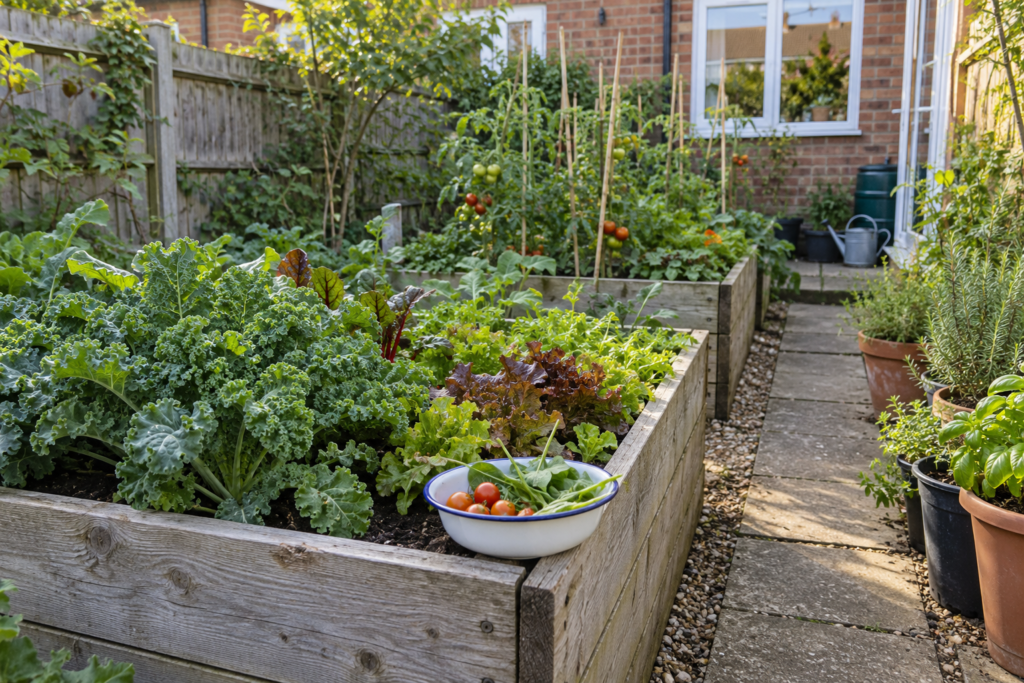
My tomatoes have been a useful lesson here. Sungold stays because we love eating the fruit fresh. Rio Grande did well for us, and I want more paste-style tomatoes because sauce is one of the things I actually want in the kitchen.
Choosing a variety for its intended use makes more sense than growing lots of something and finding a purpose afterwards. Our UK tomato-growing guide will help with the growing side.
Try writing one sentence for each main crop: “I am growing this so we can eat ___, and any surplus will become ___.” Herbs might flavour everyday meals, with some dried for later. Cabbage might go into dinners, with a small batch set aside for a tested sauerkraut recipe. Tomatoes might become fresh lunches and freezer portions of sauce.
Then check the practical limits. Is there freezer space? Do you have suitable storage? Will harvest coincide with your busiest work month? Six manageable batches can be more useful than one enormous pile that needs dealing with immediately.
Freezing is a practical starting point for cooked sauces. If you want shelf-stable jars, use a tested preservation recipe and follow its ingredients, jar sizes and processing method. A favourite pasta sauce cannot simply be poured into a jar and treated as cupboard-safe. The National Center for Home Food Preservation’s standard tomato sauce instructions include the required acidification and processing details.
Our free Save The Glut Decision Chart can help you choose a preservation direction before the kitchen fills up. The sign-up page explains how to get it; use a tested recipe for the actual method.
Give every growing space a job it can do well
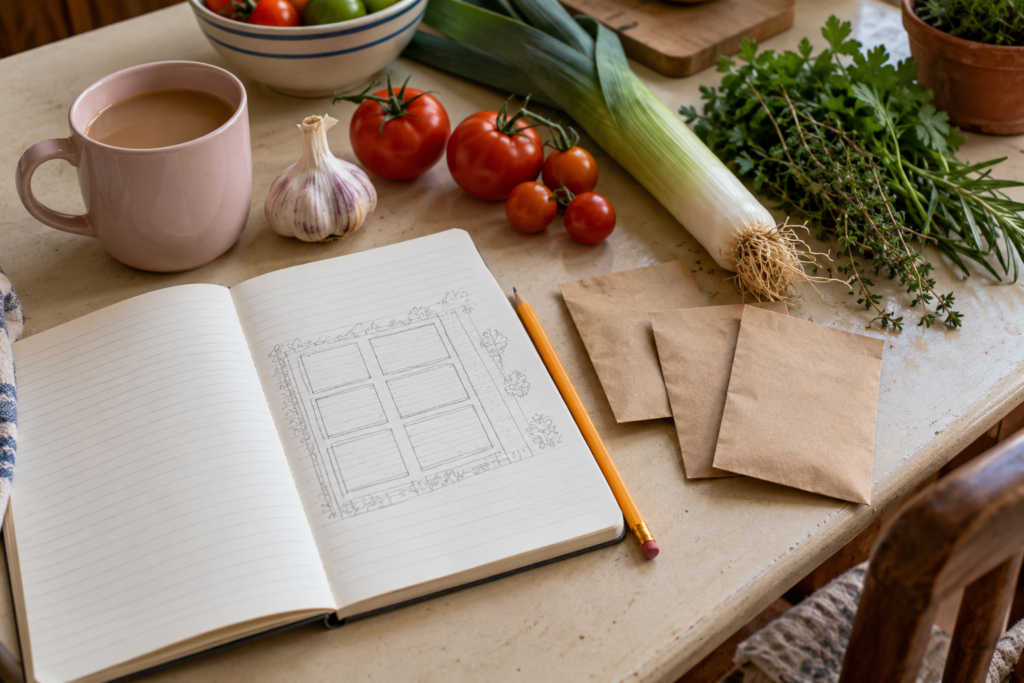
A small garden rarely has identical conditions everywhere. Mine has shadier front beds, sunnier areas at the back and a tunnel whose position needs rethinking because of the shade it casts.
Watch where direct sunlight falls in the morning, around midday and later on. Repeat the observation as the season changes. Note dry corners, sheltered spots and the beds you find difficult to reach with a watering can.
Our front-garden brassicas responded well to that position, although cabbage white caterpillars appreciated them too. That is useful experience from this garden, rather than proof that every brassica prefers shade. Light or partial shade can support some edible crops; deep shade is much more limiting. The RHS guidance on crops for shade is a useful starting point, alongside our practical shade-growing guide.
Include protection in the plan from the start. Where insect mesh is needed, allow enough height for mature plants, secure the edges and check underneath for pests already present. Waiting until the leaves have been eaten is an excellent way to turn a simple job into an irritating one.
Containers give you more choices about where to grow, especially for herbs and smaller crops, but they add watering and compost needs. Reuse suitable pots with drainage and choose sizes for mature plants. Our plant pot size guide helps you avoid buying containers that the crop quickly outgrows.
Plan the next crop before the bed becomes empty
A garden that gives you something useful across several months can fit household meals better than a single summer glut. This takes a little planning ahead, particularly for winter harvests.
Winter harvesting does not mean sowing everything in winter. Many hardy vegetables need to be started months earlier. The RHS winter vegetable guide explains that crops such as winter cabbage, kale and leeks are commonly sown in late spring or early summer. Variety, local conditions and protection affect the timing.
For each bed, record three things: what is growing now, approximately when it finishes, and what might follow. Add the next crop’s sowing date to your calendar as well as its planting date. Otherwise the bed is ready and the replacement still exists only as a packet of seeds.
An early crop followed by suitable autumn leaves is one possible sequence, provided the variety’s sowing window and your conditions allow it. Avoid planning every bed around optimistic harvest dates. Leave a little flexibility for crops that finish later, failed sowings and ordinary life.
If you are planning in autumn, use the time to map next year, check seed packets and note what is already established. You have not missed your chance because you cannot sow the whole winter menu today.
Make watering and maintenance manageable on busy weeks
The garden has to fit the weeks when work is busy and enthusiasm is having a lie-down. Improving a routine can be more valuable than adding another bed.
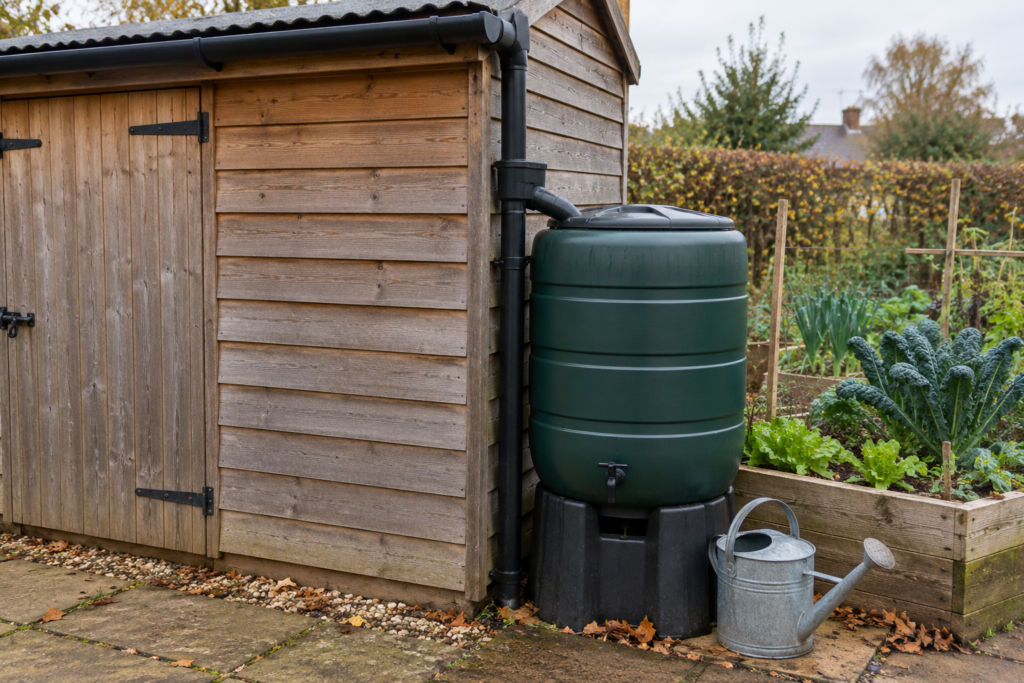
My irrigation has helped this year, and I want to improve the zones and rainwater storage. You do not need smart equipment to take the same approach. Start by making the water source convenient, grouping pots with similar needs and keeping the watering route accessible.
Check soil moisture before watering, direct water where roots can use it, and use suitable mulch to help reduce moisture loss. Collecting rainwater and using water thoughtfully belong together. Any automatic setup still needs checking for leaks, blocked outlets and changing weather.
Fit water butts on firm, level supports and keep a secure lid in place. The RHS rainwater guidance covers collection and storage. Think about overflow and access before buying extra capacity; a large tank is only helpful if you can install and use it properly.
Keep reminders specific: “check mesh edges”, “sow the next tray” or “use the oldest frozen sauce”. A vague instruction to “sort the garden” is apparently a task, but it is not a particularly helpful one.
Treat fruit as a longer-term investment
I am planning a small fruit-growing strip for 2027 because I like the idea of food plants that stay with us. It is still a plan, rather than an established orchard or a saving I can claim already.
Before buying a fruit tree, check its mature size, rootstock, pollination requirements and pruning needs. “Dwarf” does not automatically mean it will fit any narrow bed. Choose a realistic number of plants and give them enough space, rather than squeezing every favourite into the same strip.
Containers can work for suitable fruit, but need ongoing watering and feeding. The RHS container-fruit guide explains why cultivar, rootstock and container size matter. Tender fruit adds another consideration: check its winter temperature requirements. An unheated polytunnel is not a guarantee of frost protection; citrus needs suitable overwintering conditions.
For a tight budget, improving the crops you already grow may come before buying trees. Fruit can be a lovely longer-term addition without being the quickest route to a cheaper food shop.
A Your Vegetable Garden To Save Money: Make It Work
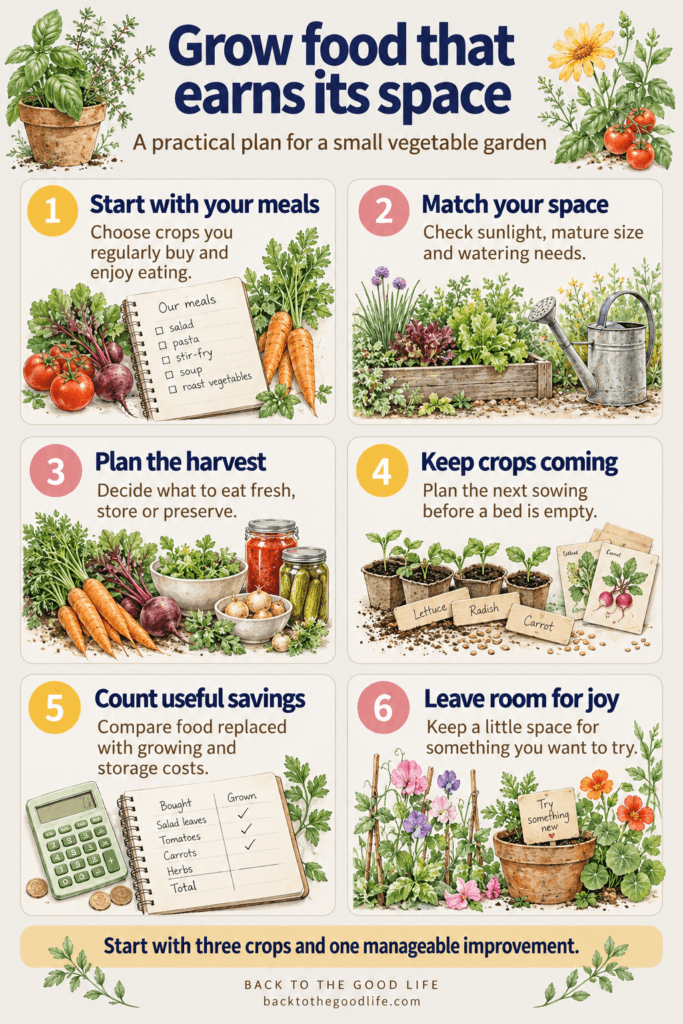
Take a sheet of paper and give yourself half an hour. Choose three crops from your regular meals, give each a suitable growing space and write down how you will use the harvest. Check what seeds and equipment you already own before making a shopping list.
Next, choose one improvement that removes a recurring problem: easier watering, earlier pest protection or a reminder for the next sowing. Set one modest outcome, such as replacing some bought herbs or making a few freezer meals with your tomatoes. Review it at the end of the season using what you ate, spent and enjoyed.
And keep a little room for curiosity. I still want to try okra and have another go at growing a loofah. They do not need to carry the household budget. Giving experiments a defined pot or patch lets the rest of the garden do its useful everyday work.
That is what building our Wealth Pantry means to me: more useful food, more skills and a few more options when we need them. You can watch the garden plans taking shape in the video, or join our free fortnightly Wealth Pantry newsletter for more growing, making and household self-reliance ideas.
What is one thing you keep buying that you would genuinely enjoy growing? Start there.
Back To The Good Life is a participant in the Amazon Services LLC Associates Program, an affiliate advertising program designed to provide a means for sites to earn advertising fees by advertising and linking to Amazon.com. We also participate in other affiliate programs which compensate us for referring traffic.


One Comment
Comments are closed.