
Just a heads up, this post contains some affiliate links. That means that we earn a small commission if you buy the product at no extra cost to you. That allows us to continue to research and share interesting articles with you. :)
Start a kitchen garden by choosing a few crops you eat regularly, matching them to your available sunlight, and planting one manageable bed or a small group of containers. Plan water access and care before buying seeds. You can expand once you know what grows well and what you actually use.
A kitchen garden is simply a space that grows food for your kitchen. It does not need a symmetrical layout, a greenhouse or a whole weekend of your time every week. A pot of herbs you pick regularly is a perfectly useful beginning.
Choose the space before the shopping list
Watch the light across your proposed growing area in the morning, around midday and later in the day. Do this during the growing season if you can: winter shadows and summer light are different. Note wind, shelter and the distance to a tap.
Give fruiting crops such as tomatoes the sunniest suitable position. Where light is limited, start with a small trial of leafy crops using our guide to vegetables for partial shade. A dark corner is not made productive by adding more fertiliser.
Choose somewhere you will notice every day. If a pot is beside the route to the door, checking its moisture is much easier to remember than visiting an out-of-the-way patch.
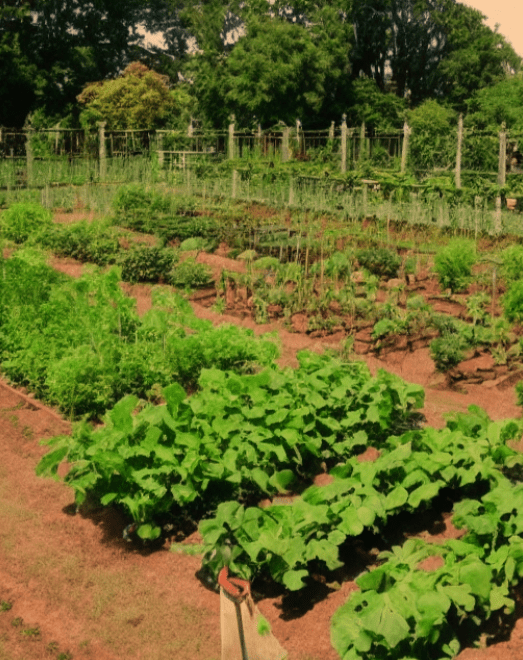
Beds or containers?
| Option | Useful when | Plan for |
|---|---|---|
| Ground-level bed | You have suitable garden soil | Weed preparation and clear access |
| Raised bed | A defined growing area or higher working level helps | Construction, fill costs and watering |
| Containers | You have a patio or limited growing space | Adequate root space, drainage and frequent moisture checks |
Start with what suits your home. A raised bed is optional, and buying a frame creates an additional job: filling it. Use our raised-bed soil and volume guide to price that before committing.
For pots, use suitable peat-free container compost and containers with drainage holes. Choose the size for the mature plant rather than the small seedling you buy. Our guide to choosing plant pot sizes explains capacity, depth and root space. The RHS guide to vegetables in containers is a useful reference.
Pick three crops you will actually eat
Make a short list from your usual meals. Herbs for omelettes, leaves for sandwiches or tomatoes for summer lunches have an obvious job to do. Growing food you dislike is a rather roundabout way of making more compost.
- Frequently used herbs: choose one or two you cook with, such as chives or parsley. Keep mint in its own pot if you want to limit its spread.
- Salad leaves: sow a small amount and plan repeat sowings instead of producing everything at once.
- One seasonal favourite: choose a crop suited to the light and space, then learn its particular care requirements.
For a sunny patio, a labelled bush tomato in a suitably large container can be a manageable project. Our UK tomato-growing guide explains why the growth type matters. For a cooler, partly shaded spot, a small salad trial may be a better first use of the space.
Make a simple first-season plan
Draw the area on paper and write the mature spacing beside each crop. Leave room to reach plants without stepping on the growing soil. Put taller supports where they will not unnecessarily shade shorter crops.
Your first plan needs four things: what you are growing, where it will go, when it can be sown or planted locally, and who will water it when you are away. You do not need a complicated spreadsheet to begin.
If starting on an overgrown plot, use our allotment soil preparation steps. Prepare the first planting area properly before opening up more ground.
Should you buy seeds or young plants?
Seeds give you variety and can be economical when you use them, but packets, compost and propagation equipment still cost money. Young plants can be practical if you only want one or two, have missed a sowing window or lack a bright place to raise seedlings.
Check labels for outdoor suitability and final size. Follow seed-packet instructions for timing, depth and spacing. Gradually acclimatise indoor-raised plants before moving them outside, and keep tender crops protected until local frost risk has passed.
Build care into your routine
Before buying equipment, use our essential gardening tools guide to choose a small kit that suits your beds or containers.
- Check moisture. Feel below the surface and water where the roots are. Containers can need frequent attention in warm or windy weather.
- Notice small changes. Look for slug damage, crowding and wilting while problems are still manageable.
- Weed little and often. Remove competition before it becomes a larger job.
- Feed according to the crop. Container crops and fruiting plants may need additional feeding; follow the product instructions.
- Harvest and record. Note what you picked, what you enjoyed and what you would grow again.
The RHS advice on watering vegetables explains why plant needs matter more than a rigid timetable.
Flowers, indoors and realistic expectations
Flowers can make the space enjoyable and provide resources for pollinators. If you want to eat flowers, identify the exact plant and edible part using reliable guidance; do not assume a common name makes every variety edible. Plants sold for decoration may also have been treated with products unsuitable for food crops.
A bright indoor windowsill may suit a few herbs, but indoor vegetables still need sufficient light and root space. A year-round harvest is a separate project, not a promise that comes with buying a pot.
Kitchen garden questions
How much space do I need?
Start with the space you can care for. One container or a small bed is enough to learn. Crop size, light and access matter more than an arbitrary minimum area.
Will it save money?
It can, especially when you repeatedly harvest crops you would otherwise buy. Keep setup costs modest and track what gets used. An expensive new bed will not automatically pay for itself in its first season.
What should I do first?
Choose the growing spot, check its light and decide on three useful crops. Buy for that plan, then expand after a season of learning.
For seasonal growing ideas that fit real life, join The Wealth Pantry, our free fortnightly newsletter.
Reviewed and updated October 2026. By Niki Wilkinson, Back To The Good Life.
Back To The Good Life is a participant in the Amazon Services LLC Associates Program, an affiliate advertising program designed to provide a means for sites to earn advertising fees by advertising and linking to Amazon.com. We also participate in other affiliate programs which compensate us for referring traffic.